
What hope looks like at the Ruziba After-School Center
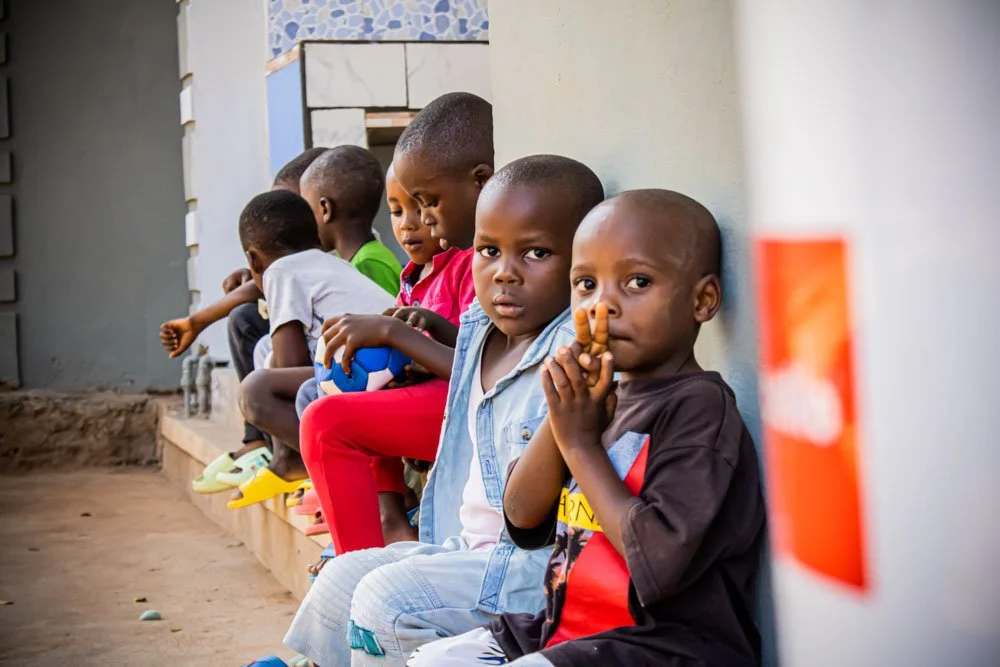
It is a hot afternoon at the Ruziba After-School Center, late November. The staff are preparing for the children’s arrival when the first footsteps appear—the kindergarteners, walking in from the nearby school. One by one, they greet everyone with both hands in quiet respect, eyes lifted for eye contact.
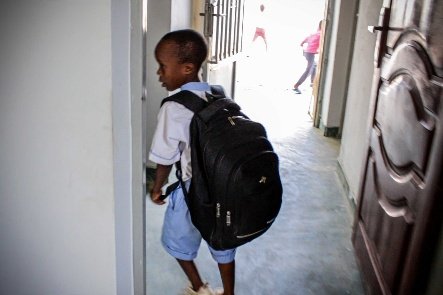
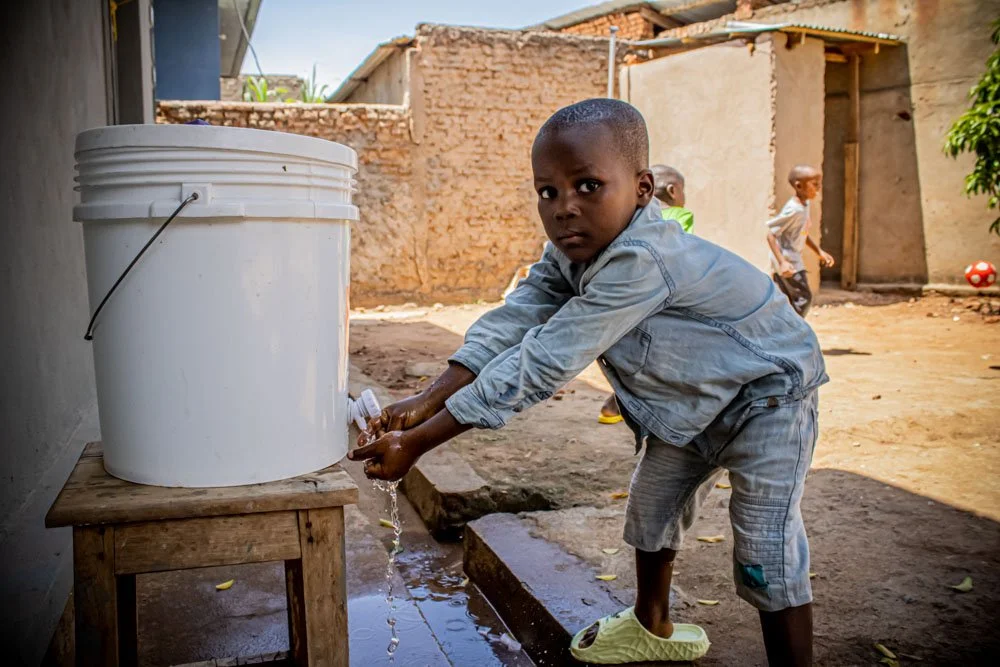
Then the routine begins. They head to the bedrooms, slip out of their uniforms, fold them carefully into backpacks, and change into the clothes they brought from home. Along the wall, slippers wait in a neat line. Each child finds their pair. Outside, hands are washed. And then—freedom. A burst of soccer, laughter, dust, and shyness dissolving into sweat and joy as they wait for the older children to arrive.
When the primary school students finally join them, the younger ones are already hungry, but unwilling to let go of the playtime they missed during the school day. Their older friends jump right in, following the same routine: greetings, changing clothes, washing hands, playing. It unfolds like a carefully learned choreography. Every child knows their responsibility.
It did not start like this
“I can’t believe what I am seeing,” exclaims Gina, amazement written all over her face.
“What?” I ask. It is my first visit since the center opened, and my heart is melting.
“The first days,” she says, moving her hands.
“How were they?”
“Chaos. Total chaos.”
I look at the perfectly synchronized children and struggle to imagine it.
“They screamed. They fought. No manners at all.”
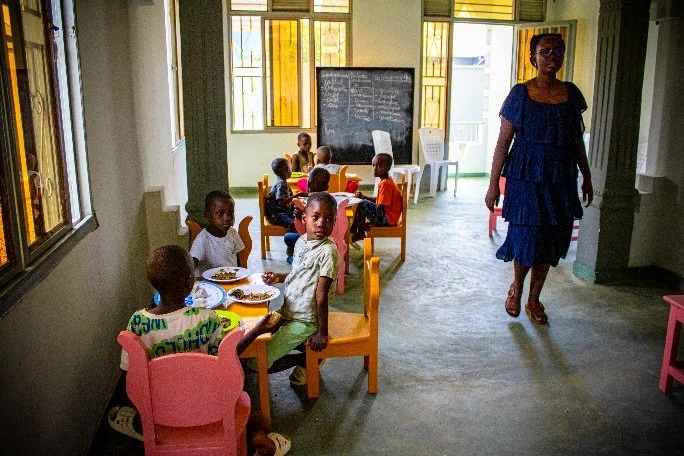
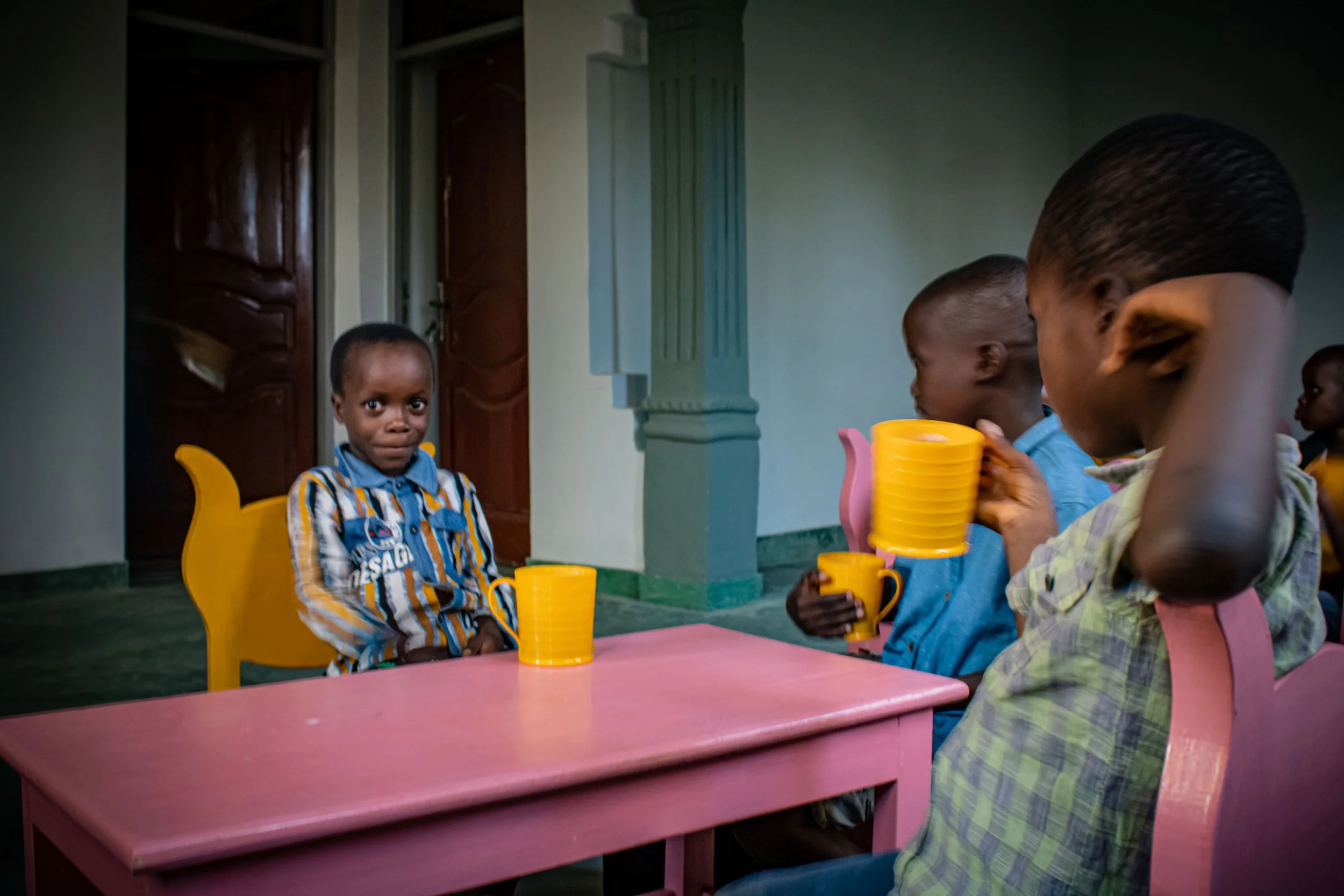
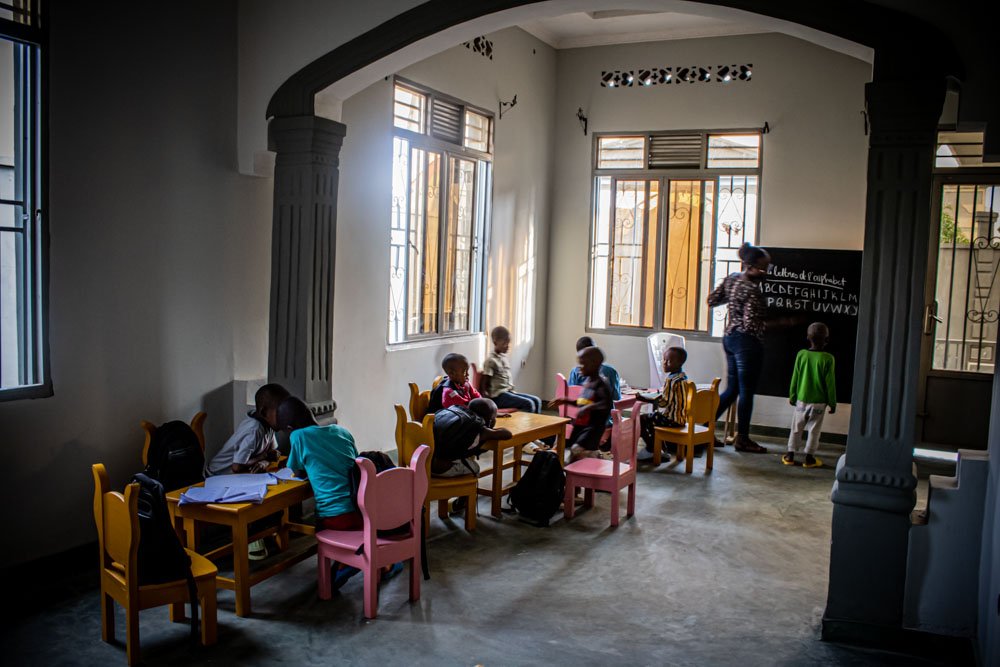
Soon, the children gather in the large room and sit on their small chairs, waiting. Food arrives. Quietly, each child takes a plate—not for themselves, but for another—before returning to their seat. In the end, everyone has a meal placed before them by a friend. A simple gesture. A beautiful one.
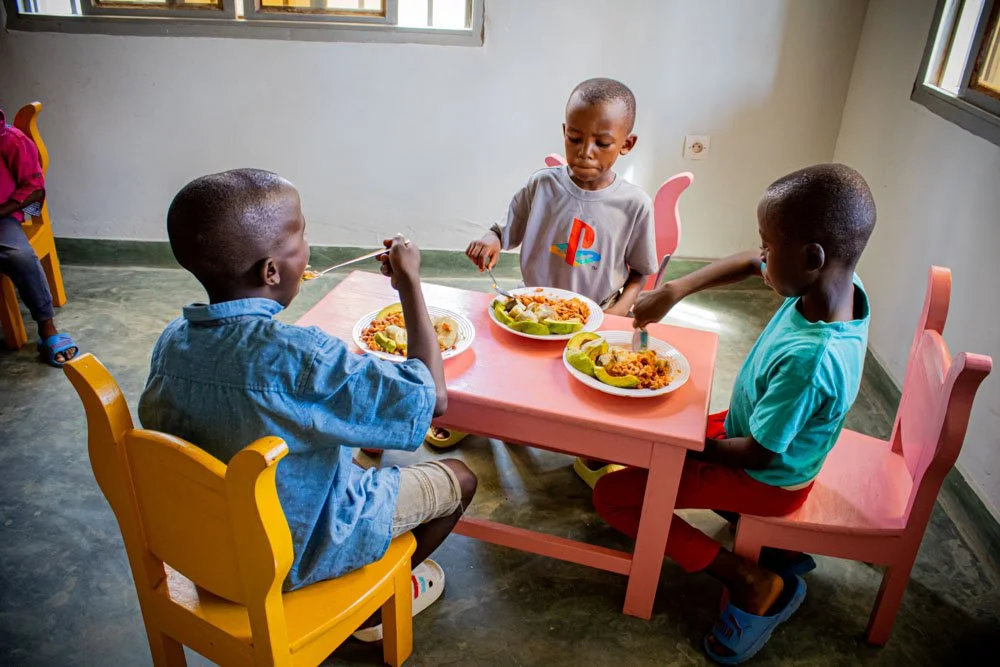
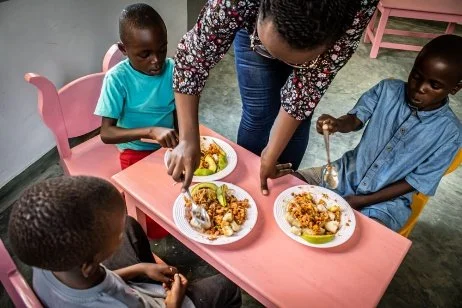
“Love and sharing are values we insist on,” Gina explains. “This small act teaches them to think of others, even when they are hungry and impatient.”
They eat in silence. When they finish, they carry their plates to the sink. Then, in the washroom, they wash the dust from their feet after which they head to the bedrooms for nap time. Everything flows smoothly, like a well-oiled engine—each piece knowing exactly when and how to move. It is hard to believe how long the journey to this calm has been.
“At first, it was difficult,” recalls Sonia, the center’s manager. “They struggled to follow instructions or organize their belongings. Nap time was a battle—they woke each other up constantly. Now, it takes less than six minutes for everyone to fall asleep.”
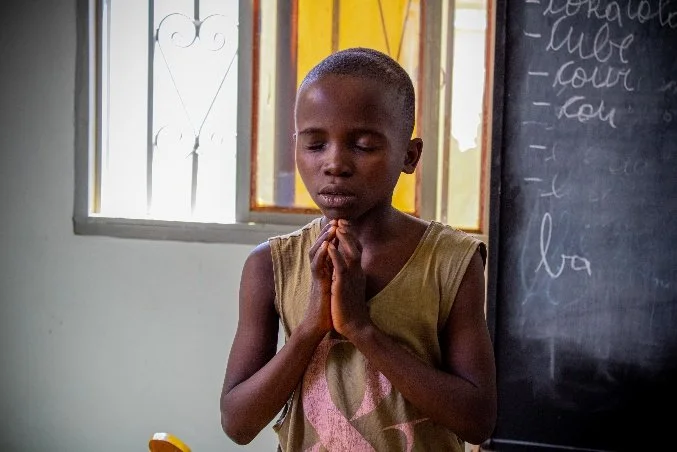
“They entered a completely new system,” Gina adds. “Everything had structure—meals, study, play, rest. Hygiene is monitored. Prayer before meals was new to them. There was a lot to adjust.”
Watching this order unfold, it is hard to reconcile it with the stories of those early days.
“I cannot wait to see what the coming months bring,” Gina says, hope unmistakable in her voice.
I leave the center carrying that same hope. This initiative was born from a striking observation: the newly sponsored children were not catching up at school. French—the language of instruction—was the major barrier. They could not follow lessons, and their mothers, many of whom never had the chance to study, could not help them.
The answer was clear: a tutoring center to give them the foundations they were missing. A place to catch up, to rebuild confidence, to learn how to learn. The plan was for a year.
Two months later…
Two months after my visit, with the team we are discussing about the changes.
“They no longer tap on tables or play during study time,” Sonia says. “They are focused. Some could not read or write before—now they can. Their grades have improved beyond what we expected. At first, we had to repeat lessons for days. Now, one day is enough.”’
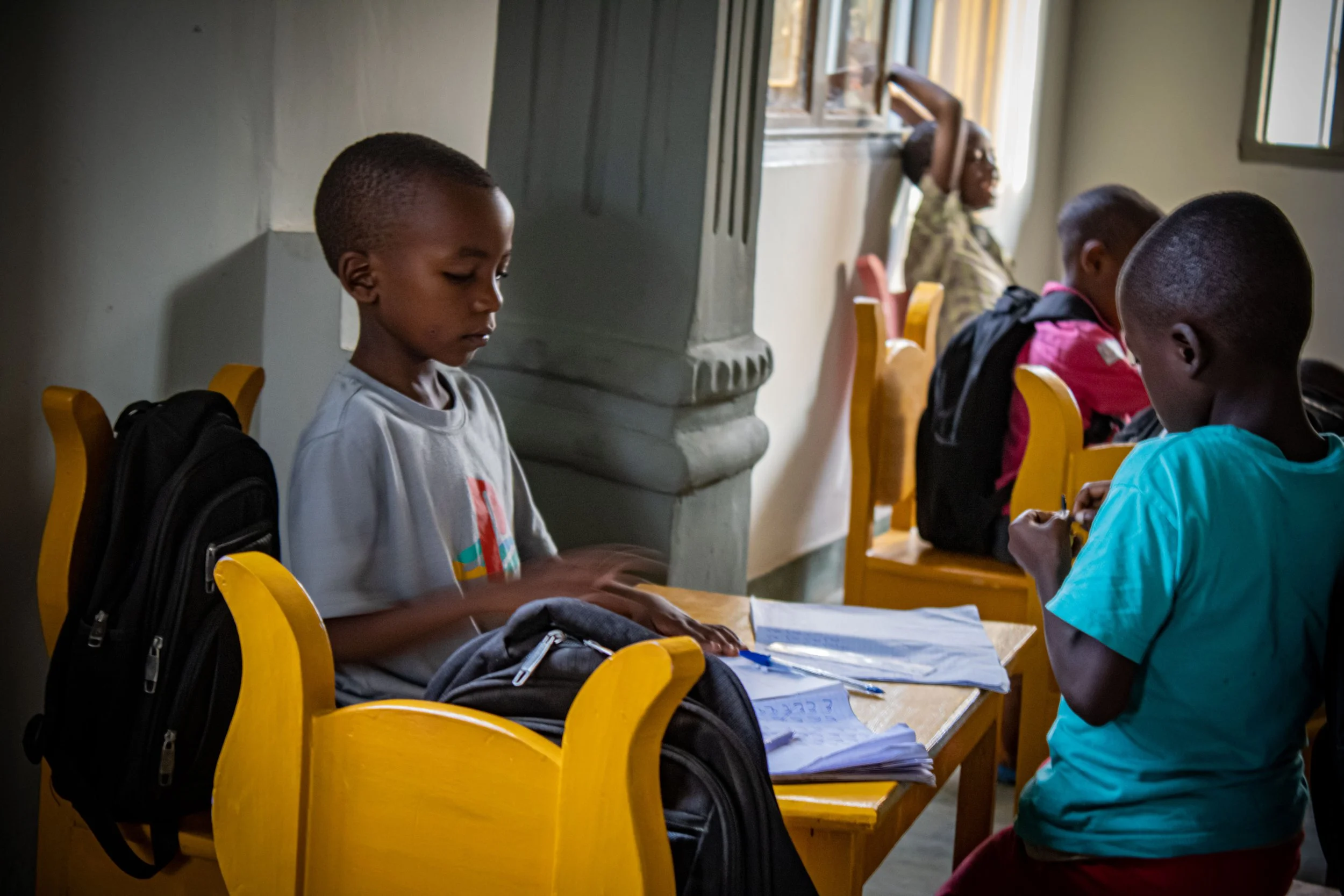
“Behavior has changed too,” Sonia notes. “They understand each other better. They do not fight anymore.”
“These children carry deep wounds,” Gina continues softly. “Some expressed it through anger, others through loneliness. It made caring for them difficult. But that is changing. They laugh more now. The violent ones are calming. The withdrawn ones are opening up. By the end of the school year, we hope they will not only be stronger academically, but also emotionally and psychologically.”
At this center, hope does not look abstract.
It looks like progress.
Like habits learned.
Like chaos transformed.
Like children discovering, step by step, a new horizon.